Relationship with food · Diet culture · Intuitive eating
What does a healthy relationship with food look like?
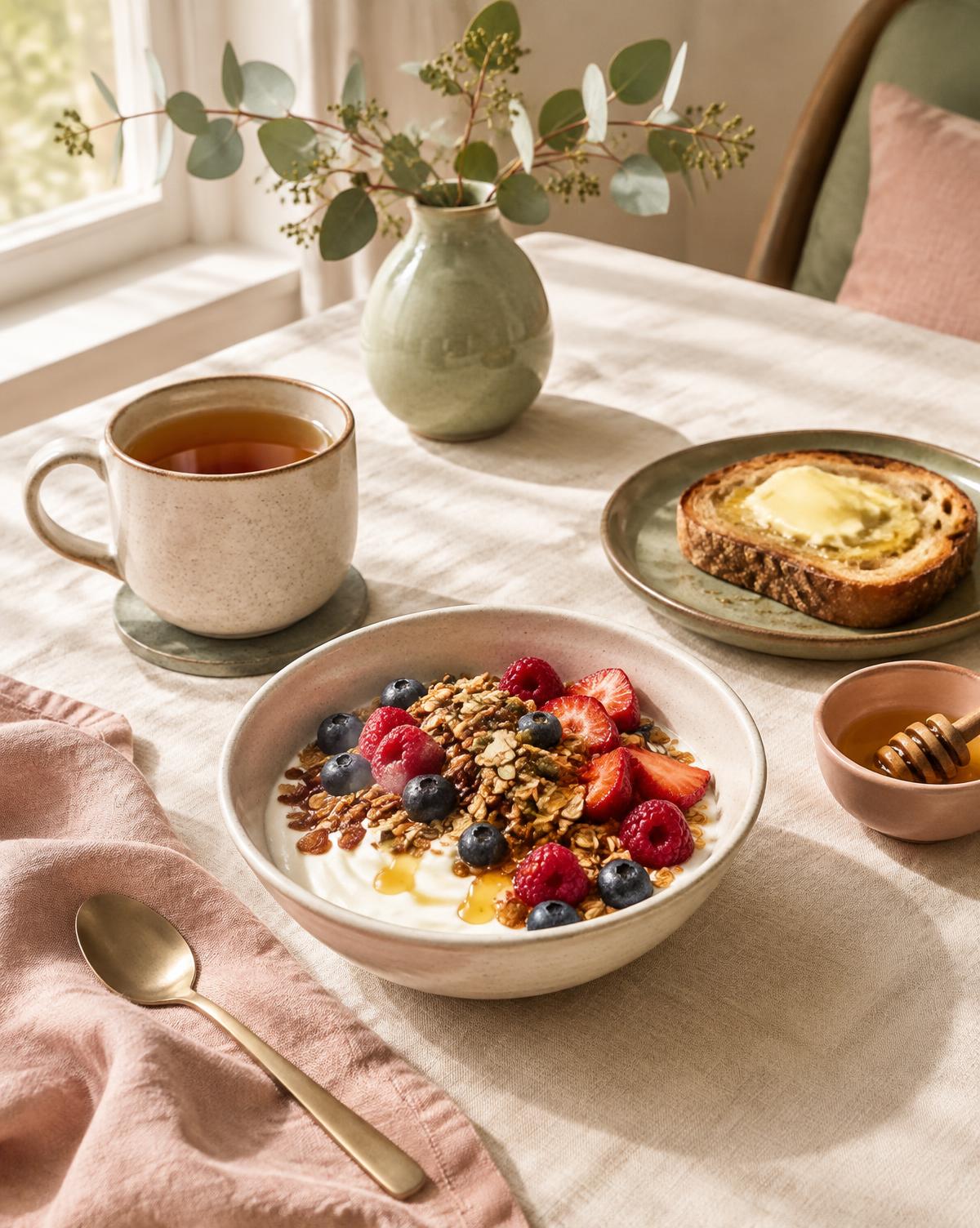
It is possible for everyone to develop a healthy relationship with food, even those who have been stuck in the diet cycle for many years, or someone with a diagnosed eating disorder.
I like to use the analogy of learning a new language. Sometimes you just need someone to support you through the journey: to motivate you and give you the confidence to change, to give you the fundamentals to practise, and to cheer you on when it becomes instinctive.
A healthy relationship with food can look like:
- Responding to hunger cues, thereby respecting your body and acknowledging that it needs to be fuelled (as opposed to the diet mentality, which tells people to ignore hunger and delay or skip meals).
- Deciding what to eat based on what you feel like eating, and allowing yourself to feel comfortably full and satisfied without feeling guilty.
- Seeing all foods as equal, and being able to eat an appropriate portion of whatever you choose without feeling guilty or losing control.
- Enjoying food. It's more than just fuel.
- Not using food to cope with difficult feelings. When we are stressed, sad, bored or lonely, we often use food to deal with our emotions. While it might offer a short-term fix, it doesn't resolve the problem.
- Respecting your body. We are not all the same shape and size, so we need to let go of unrealistic expectations of body image. Accepting and respecting your body at every size will help you to feel better and make choices about food that are logical, rather than emotional.
- Having a healthy relationship with exercise. Instead of exercising to compensate for food, exercise because it is fun, gives you energy, lifts your mood and is a way of connecting with others.
- Honouring health. People with a healthy relationship with food choose foods that are nutritious as well as tasty and satisfying most of the time, but also allow themselves to eat less nutritious food in moderation without feeling guilty. Less nutritious meals or snacks won't make a difference in the long term; it's what happens on most days that matters.
Pave the way to intuitive eating
If you are on a diet, ditch it, and consider replacing it with these behaviours. They will not only nourish your body and help regulate your blood sugar levels and hunger and fullness cues, but also help you feel more in control of your eating and become aware of how you currently see and use food. They also pave the way to eating intuitively.
- Have regular meals and snacks, making sure you include breakfast.
- Make sure your main meals are balanced. This means having carbohydrate, protein, fat and vegetables on your plate.
- Learn what appropriate portions of each of these food groups look like for you, so that you get enough to nourish your body.
- Keep a diary to become more aware of how you see and use food, which will highlight problem areas.
- Ask yourself whether your relationship with exercise is a healthy one. Exercise has so many benefits: it boosts mood and energy, is a great stress release and aids sleep. However, if you feel compelled to exercise to give yourself permission to eat, or guilty if you don't, seek support to improve your relationship not only with food but with exercise too.
It is possible to start making these small changes, and incrementally see benefits in your health and wellbeing, and also just the pure joy of eating delicious food that allows us to fully enjoy our lives.
If you're struggling and would like support, your first step is an initial consultation.
Your first step
Initial Consultation
A 60 to 75 minute appointment where I listen, assess and give you a written report and treatment plan.
Book your initial consultationLong Term Support
The 12-Week Programme
Weekly one-to-one appointments, plus daily coaching between them, so you're never waiting a week to get unstuck.
Explore the programme